
Additional Considerations for Large Format Tile
Picture your bathroom as more than just a practical space – envision it as a welcoming retreat, ready to embrace a touch of contemporary elegance.


Contributed by Associated Materials Innovations (AMI), offering industry-leading solutions through Gentek® Building Products, ASCEND® Composite Cladding, Alpine Window Systems, and Preservation® Window Collection.
Replacing your windows probably isn’t something you think about until pesky drafts, condensation, or broken locks make it necessary. Or maybe you’re in the middle of a remodel, and the “What kind of windows do you want?” question suddenly pops up on your to-do list.
However, by knowing a few things going in and having the answers ready, it can suddenly make picking windows feel a lot less like guesswork.
1. Know What You Really Need
Before diving in, start with a checklist:
Once you know your goals, the rest, like materials, extras, budget, start to line up.
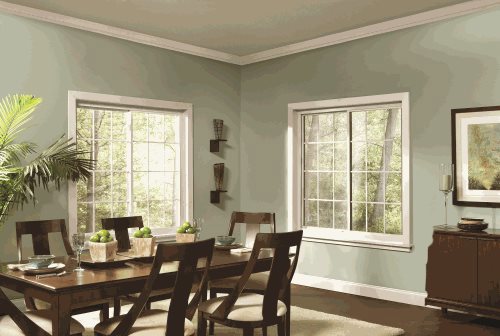
Choosing the right window style can also change how you use the space, from airflow to natural light to everyday comfort (shown here: Gentek® Concord Plus Vinyl Replacement Windows).
2. Find Your Features
You don’t need to speak fluent window jargon—just enough to spot what matters:
3. Think Long-Term
It’s tempting to choose the lowest price; however, poorly made or improperly installed windows can invite water damage, hike energy bills, or even require early replacement.
Look for:
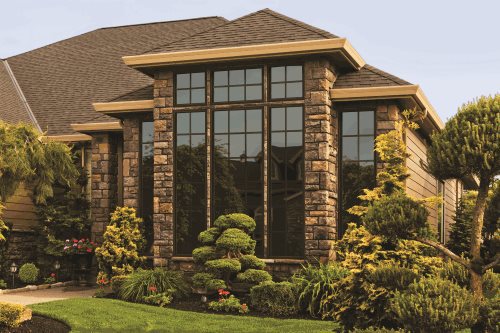
Big windows can offer a big payoff with loads of natural light, energy savings, and a design that lives as good as it looks (shown here: Alpine Montrose Vinyl Replacement Windows)
4. Don’t Forget Function
Homeowners want windows that “wow,” but remember that style also affects function:
Casement windows swing out like a door and are great for ventilating spaces.
Double-hung windows slide up and down—ideal for airflow and easy cleaning.
Picture windows don’t open at all. Yet they perfectly maximize light and views.
You can mix and match styles. Don’t let one aesthetic rule the room if it doesn’t make sense.
5. Don’t Go It Alone
Local remodeling professionals (like those certified by NARI) can walk you through product comparisons, code requirements, and installation timelines.
If you’re curious, explore examples from manufacturers like AMI. Use their tools, like their visualizer tool and product pages, to get a feel for what’s possible, then talk to your contractor to see what works best for your home.
Picture your bathroom as more than just a practical space – envision it as a welcoming retreat, ready to embrace a touch of contemporary elegance.

This launch marks a milestone in the global industry by introducing an entirely new category: “Inlayered Mineral Surface” based on its Inlayr® design technology.

As a leader in water experiences in the home, Moen offers a vast array of stylish and innovative kitchen and bath products.